


 Deutsch
 English
 Español
 Français
 Nederlands
 Português


 Share
Share




China's 2026 export controls on rare earths and critical minerals have triggered sixfold global price spikes and exposed a strategic vulnerability in Western defense, EV, and renewable energy supply chains. With Beijing controlling over 90% of rare earth processing and using reversible restrictions as geopolitical leverage, the European Union and United States face a narrowing 12-18 month window to build alternative supply chains before strategic dependence becomes irreversible, according to multiple January 2026 reports from UNCTAD, S&P Global, and independent analysts.
China's Dominance in Critical Minerals Processing
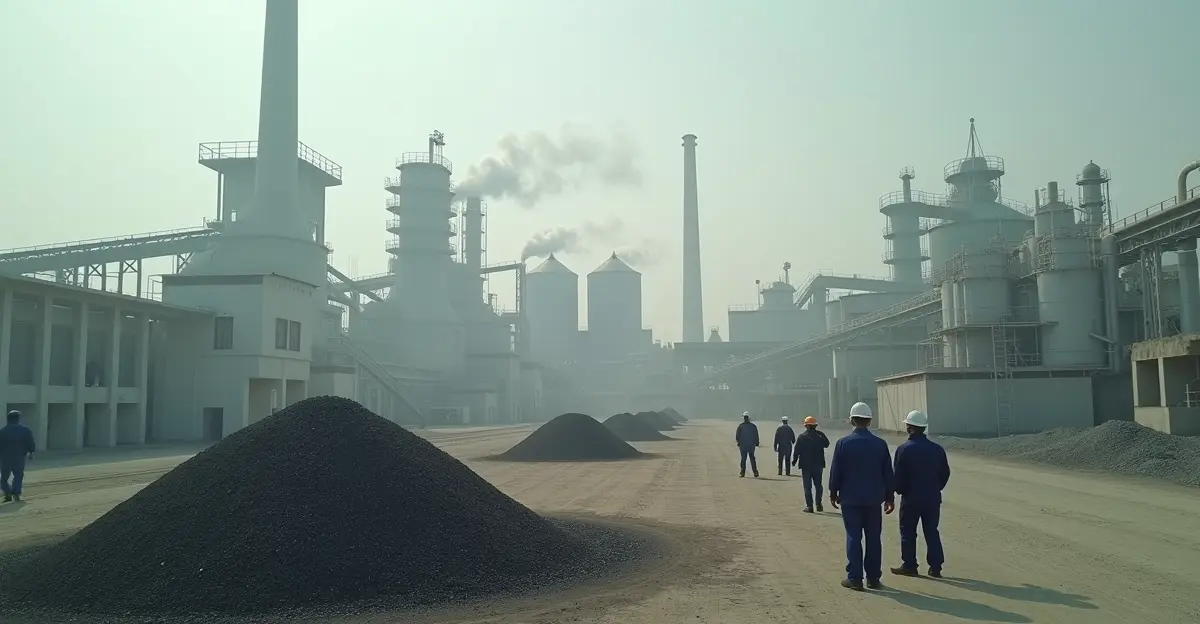
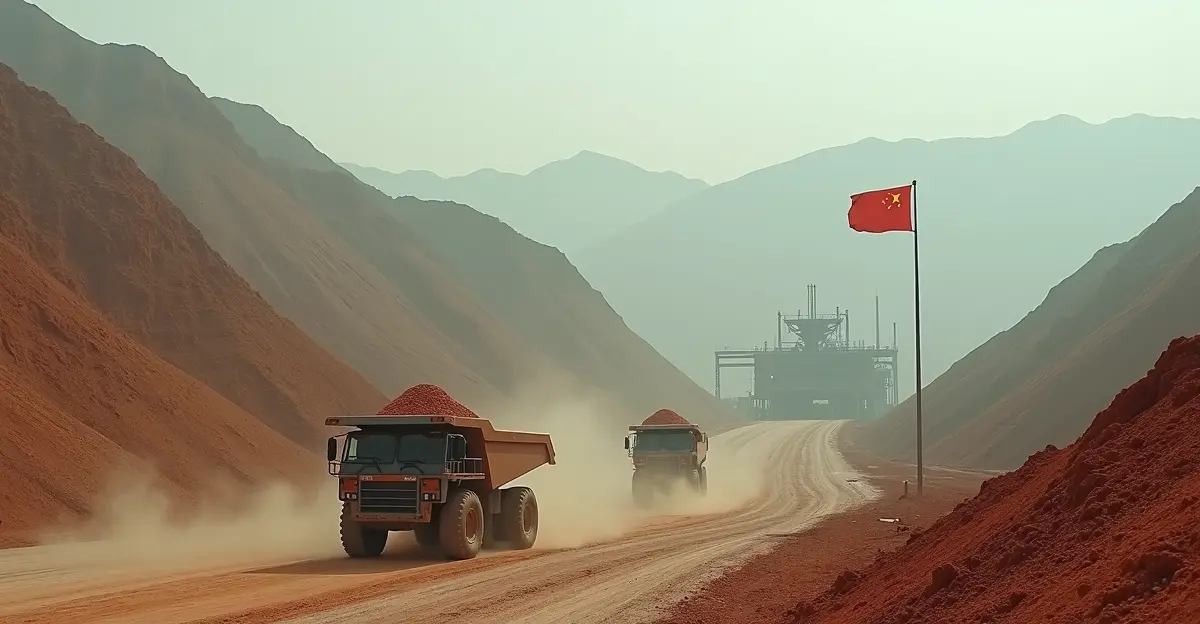
China's stranglehold on critical minerals is not about resource scarcity but processing supremacy. According to a multi-institutional analysis published in early 2026, China controls approximately 90% of global rare earth processing, 80% of tungsten refining, and 60% of antimony production. These materials are essential for permanent magnets in electric vehicles (EVs) and wind turbines, guidance systems in defense equipment, and advanced electronics.
The rare earth processing monopoly allows Beijing to exert enormous leverage. Over 80% of European companies depend on Chinese supply chains for these critical inputs. Export controls introduced in 2025 and tightened in 2026 have slashed licensing approval rates for European firms to below 25%, creating acute supply bottlenecks.
Sixfold Price Spikes and Market Disruption
The impact of China's restrictions has been dramatic. Neodymium-praseodymium (NdPr) oxide, a key input for EV motors and wind turbine magnets, surged up to sixfold in price outside China. Antimony, used in flame retardants and defense applications, peaked at $59,750 per tonne in July 2025 before partially correcting. Tungsten prices have also soared, compounding cost pressures across multiple industries.
These price spikes are not merely market fluctuations. Analysts argue that China is weaponizing control rather than scarcity, using temporary, reversible restrictions to maintain pricing power and extract strategic concessions while discouraging Western investment in alternative supply chains. The critical minerals price volatility has become a central concern for global trade policymakers.
Strategic Vulnerability in Defense and Clean Energy
Defense Sector at Risk
NATO stockpiles of critical minerals are sufficient for only 6-9 months of high-intensity conflict, according to informed estimates. European defense contractors face delays on missile guidance systems and F-35 components due to rare earth shortages. The strategic vulnerability extends across the entire Western defense industrial base.
Clean Energy Transition Under Threat
EV production costs outside China have risen by an estimated $500 per vehicle due to higher rare earth prices. Offshore wind projects face 15-25% cost overruns as turbine magnets become more expensive. The clean energy supply chain risks threaten to slow the global energy transition precisely when acceleration is most needed.
The FORGE Alliance: A 54-Nation Response
In February 2026, the United States launched the Forum on Resource Geostrategic Engagement (FORGE), a 54-nation alliance replacing the earlier Minerals Security Partnership. The initiative has mobilized over $30 billion in letters of interest, investments, and loans for critical mineral projects. The U.S. Export-Import Bank committed $10 billion through Project Vault to establish a domestic strategic reserve of critical minerals.
Secretary of State Marco Rubio led the 2026 Critical Minerals Ministerial, signing 11 new bilateral critical minerals frameworks with countries including Argentina, Morocco, the Philippines, the UAE, and the United Kingdom. The FORGE alliance critical minerals strategy represents the most ambitious Western effort to date to counter China's dominance.
Narrow Window for Action
Despite these efforts, analysts warn that full independence from Chinese processing could take 5-7 years, with only a 12-18 month window to begin meaningful diversification before China's dominance becomes entrenched for at least a decade. Rebuilding independent supply chains from scratch would require 20-30 years, far exceeding the current geopolitical window.
The European Union's Critical Raw Materials Act and U.S. Department of Energy investments totaling over $1 billion aim to accelerate domestic processing capacity. However, permitting hurdles, high capital costs, and technical expertise gaps remain significant obstacles.
Expert Perspectives
China is not creating scarcity; it is weaponizing control. The restrictions are temporary and reversible, designed to maintain pricing power and extract strategic concessions while preventing large-scale Western investment in alternatives, notes a lead author of the multi-institutional analysis published in January 2026.
We are in a race against time. Every month of delay makes it harder and more expensive to break free from dependence on Chinese processing, a senior EU trade official commented during the Critical Minerals Ministerial.
Frequently Asked Questions
What critical minerals does China control?
China controls approximately 90% of global rare earth processing, 80% of tungsten refining, and 60% of antimony production. These minerals are essential for defense systems, EVs, wind turbines, and electronics.
Why did China impose export controls in 2026?
China's export controls are widely seen as geopolitical leverage amid tensions over Taiwan and technology disputes. The restrictions are reversible, allowing Beijing to extract concessions while maintaining pricing power.
How have prices been affected?
Neodymium-praseodymium oxide prices surged up to sixfold outside China. Antimony peaked at $59,750 per tonne in July 2025. EV production costs rose by $500 per vehicle, and offshore wind projects face 15-25% cost overruns.
What is the FORGE alliance?
FORGE (Forum on Resource Geostrategic Engagement) is a 54-nation alliance launched by the U.S. in February 2026, committing over $30 billion to diversify critical mineral supply chains and reduce dependence on China.
How long will it take to build alternative supply chains?
Analysts estimate 12-18 months to begin diversification and 5-7 years for meaningful scale. Full independence could take 20-30 years, making the current 12-18 month window critical for decisive action.
Conclusion and Future Outlook
The critical minerals crisis of 2026 represents a defining geostrategic challenge for Western nations. China's processing monopoly, combined with its willingness to use export controls as a weapon, has created vulnerabilities that extend from defense to clean energy. The FORGE alliance and EU initiatives represent important steps, but time is running short. The next 12-18 months will determine whether the West can build resilient supply chains or faces a decade of strategic dependence.

Follow Discussion